Baby & Child Safety · 1 – 2 years
Window safety for children: restrictors, blinds and balconies
How to reduce the risk of window and balcony falls and blind cord accidents at home, from choosing restrictors and moving furniture to fire escape planning and supervision.
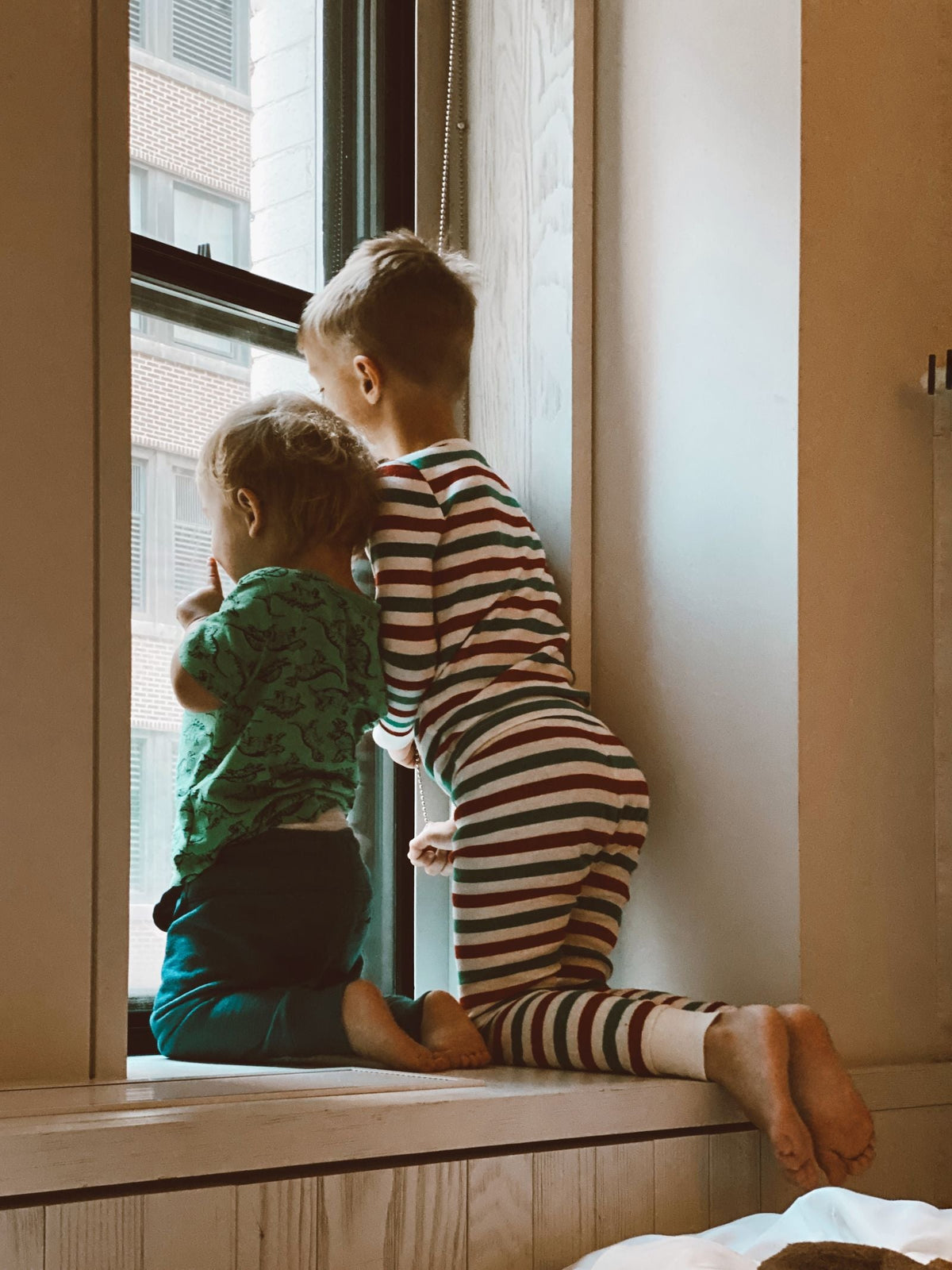
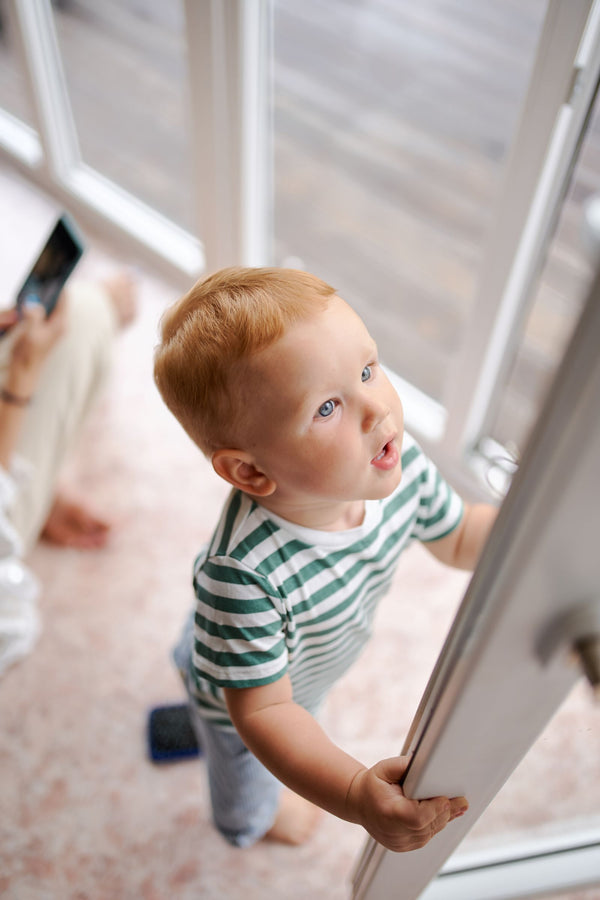
On a warm day, opening a window feels like the most natural thing in the world. For a toddler, though, a window is something to look out of, lean out of and climb up to, and they can learn to do all three almost overnight.
This guide brings together advice from the NHS, the HSE Child Safety Checklist, RoSPA and the Child Accident Prevention Trust (CAPT) on windows, blind cords and balconies, so you can walk through each room with fresh eyes.
Quick check: stand in each upstairs room and ask three questions. Can my child open this window? Is there anything they could climb on to reach it? Is there a cord or chain hanging within reach?
Why window falls happen
CAPT explains that pre-school children are especially vulnerable to falls from windows. They're curious, they can pick up new skills suddenly, and their heads are large compared with their bodies, so if they lean out they can topple and land head first. CAPT also notes that window falls often happen very quickly and take families by surprise, and that many adults don't realise their child can already open a window on their own.
Two patterns come up again and again:
- Furniture used as a ladder. CAPT points out that beds, sofas, toy boxes and other furniture near windows make it easier for children to climb up, and RoSPA warns that toddlers will use furniture as a ladder.
- Warm weather and open windows. CAPT warns that during warm weather, open windows increase the risk if they aren't fitted with a restrictor or guard. Summer, and any time you open a window wider for heat or cooking, deserves extra attention.
Window restrictors and locks
RoSPA advises making sure all upstairs windows can be locked or have a window restrictor fitted. A restrictor still lets fresh air in while limiting how far the window opens, and RoSPA describes it as a mechanism parents can operate easily but young children can't. The NHS also advises fitting locks or safety catches on windows once your baby is crawling, and keeping them in place through the toddler years.
- Choose restrictors an adult can release without tools. The HSE checklist asks for window restrictors that don't need tools to open, so you can get out quickly in a fire.
- If a restrictor or lock uses a key, keep the key close. CAPT advises keeping keys somewhere you can find them in case there's a fire, and the NHS says to make sure every adult in the house knows where the keys are kept.
- Check they're working. CAPT notes that among children who died after falling from windows, some homes had no restrictor or lock, and in others it was broken or had been disabled. Test each one regularly, and re-engage it after cleaning or airing a room.
- Follow the fitting instructions. If you're using an adhesive restrictor, fit it on a clean, dry, smooth surface and give the adhesive the full bonding time before you rely on it.
Know your restrictor's limits. A restrictor limits how far a window opens, but it isn't built to take a child's full weight pushing, leaning or climbing against it. Every restrictor has a maximum force it's designed to hold, so check the instructions. The BeeGo window restrictor, for example, is rated to a 30kg pull force, but only when it's fitted correctly on a clean, dry surface and left for at least 72 hours before use so the adhesive can fully set. Think of a restrictor as one layer: use it alongside keeping furniture away from windows and supervising children whenever a window is open.
Keep furniture away from windows
Moving furniture costs nothing, and it's one of the steps every source agrees on. RoSPA's advice is to never place furniture near windows, especially in bedrooms. The NHS advises keeping low furniture away from windows, and CAPT adds that this applies even on the ground floor. The HSE checklist asks you to make sure furniture and other objects your child could use for climbing are placed away from windows and balconies.
- Cots and beds should sit well away from windows. The National Child Mortality Database (NCMD) advises not placing a child's cot, bed, playpen or highchair near a window.
- Toy boxes, chairs and stools are easy to drag over, so store them on the far side of the room.
- Re-check after any rearrange, and use our room-by-room checklist to go through the rest of the house. Check again after a new piece of furniture or move to a big-kid bed.
Blind and curtain cords
Cords are a less obvious window hazard, but a serious one. The NHS warns that unsecured blind and curtain cords can quickly wrap themselves around a baby or toddler's neck. The NCMD, citing RoSPA research, says looped cords are particularly dangerous, and that deaths have happened in children aged between 16 and 36 months, with more than half at around 23 months.
- Tie cords up and fix them to a surface. The NHS advises always keeping curtain and blind cords tied up, out of reach and fixed to a surface.
- Fit a tie-down or tension device. The HSE checklist says blind and curtain cords that can't be removed should have a tie-down or tension device fitted.
- Choose blinds without looped cords, particularly in your child's bedroom or nursery, as the NCMD recommends.
- Keep cots, beds and play areas away from blinds, so a cord is never within reach of a child who is meant to be sleeping or playing alone.
Balconies and railings
Balconies bring the same risks as windows, often with an even bigger drop. CAPT advises keeping young children away from balconies unless they're supervised, and keeping balcony doors locked when they're not in use.
- Check the gaps in balcony railings. The NHS advises covering wide gaps with boards or safety netting so a child can't squeeze through.
- Keep the balcony clear of climbable items. Chairs, tables, planters and storage boxes can all become a step up to the top of the railing, and the HSE checklist includes balconies in its advice on moving climbable objects away.
- Treat balcony doors like windows, and make sure an adult can still open them quickly in an emergency.
Insect screens are not a barrier
Fly and insect screens are handy in summer, but they aren't designed to hold a child's weight. Trauma specialists at the Montreal Children's Hospital describe screens as flimsy and a weak barrier that can give a false sense of security: good at keeping insects out, but not at keeping children in. A window with a screen fitted still needs a restrictor, and a child still shouldn't be left alone beside it.
Supervision and fire escape planning
Restrictors and tidy cords help, but they are only one layer alongside watching your child. CAPT advises that if a window won't lock, or you've opened it wider than usual, you shouldn't leave young children alone in the room. If you need to step out, take your child with you. RoSPA reminds parents that it only takes turning your back for a second.
Window safety also has to fit with getting out in a fire:
- Make a fire escape plan. The NHS advises working out an escape plan for your family and telling your children what to do in a fire, and the HSE recommends practising it with them.
- Make sure restrictors on escape windows can be released quickly by an adult without tools, as the HSE advises.
- Keep any window or balcony keys in a set place, out of children's reach, where every adult can find them quickly.
Keep checking as your child grows
No home or product can be made completely risk-free, and nothing replaces supervision. Children's climbing skills change fast, so walk through your windows, blinds and balconies again each time your child reaches a new stage, and before the first warm days of the year. It's also worth sharing these checks with grandparents, childminders and anyone else who looks after your child in their own home.
Sources
This guide draws on advice from the following organisations.
- Baby and toddler safety – NHS
- Child Safety Checklist for Parents – HSE
- Falls – RoSPA Keeping Kids Safe Hub
- Falls from open windows – Child Accident Prevention Trust
- Advice regarding blinds and young children – National Child Mortality Database
- Screens are good at keeping insects out, but not at keeping kids in – McGill University Health Centre
This guide offers general information for parents and is not a substitute for professional or medical advice. Always follow the manufacturer's instructions for any safety product and supervise children at all times.