Baby & Child Safety · All ages
Winter home safety for babies and toddlers
How to keep babies and toddlers warm without overheating this winter, with official advice on room temperature for sleep, fireguards, heaters, hot water bottles, candles and carbon monoxide alarms.
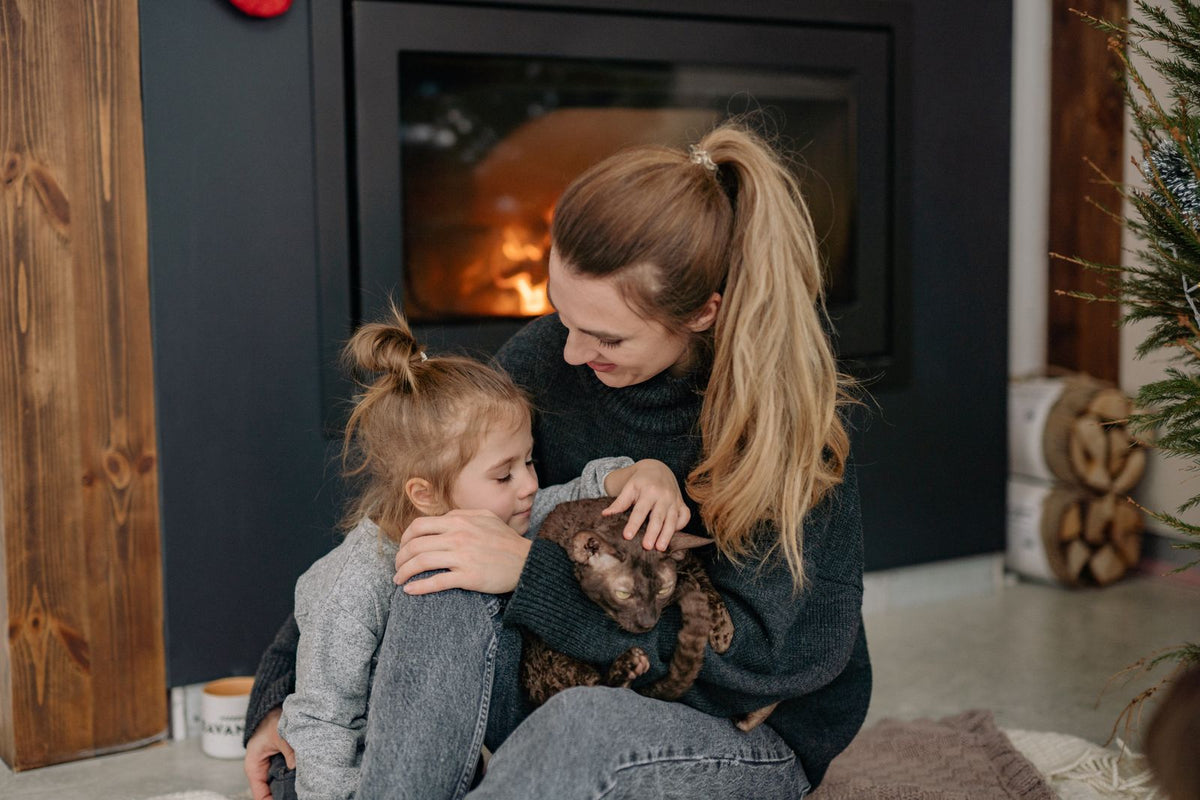
When the heating goes on, your home changes. Radiators, fires and heaters are running, hot water bottles come out, there are candles on the windowsill and washing drying wherever it fits. For a baby or toddler, that means more hot surfaces within reach.
We're Dave and Alan, two brothers and dads. This guide brings together advice from the NHS, the HSE Child Safety Checklist, The Lullaby Trust, CAPT and UK government fire guidance, so you can keep everyone warm while reducing the risks.
Before the cold sets in: test your smoke alarms, check you have a working carbon monoxide alarm in every room where fuel is burned, and book your boiler or stove service. The HSE recommends servicing fuel-burning appliances once a year and having chimneys swept regularly.
Room temperature and overheating at sleep time
It's tempting to bundle a baby up in winter, but the NHS says overheating, from too much bedding or clothing or a room that's too hot, can increase the risk of sudden infant death syndrome (SIDS).
- Aim for 16°C to 20°C. The NHS, the HSE and The Lullaby Trust all recommend keeping the room your baby sleeps in between 16°C and 20°C. Use a room thermometer rather than guessing.
- No hats indoors. The Lullaby Trust says babies don't need to wear hats indoors, because they release heat through their heads and a hat can make them overheat. The NHS advises taking off hats and extra clothing as soon as you come indoors or get into a car, bus or train, even if it wakes your baby.
- Keep bedding light. The NHS recommends lightweight blankets, sheets or a baby sleeping bag. The Lullaby Trust advises against duvets and quilts, and the HSE says not to use too many blankets or covers.
- Don't pile on layers. The Lullaby Trust says to dress your baby for their environment, and not to wrap them up more than usual if they're unwell. If the room is cool, adding a layer usually helps; if the heating stays on overnight, keep it low and no higher than 20°C.
- Check their chest, not their hands. Feel your baby's chest or the back of their neck. Cool hands and feet are normal. If their skin is hot or sweaty, take off one or more layers of clothing or bedding.
Keep the cot away from heat. The NHS and HSE both advise never letting your baby sleep next to a radiator, heater or fire, or in direct sunlight. CAPT adds that moving cots away from radiators means a baby can't get an arm or leg trapped against the heat. For more on setting up the nursery, see our room-by-room baby-proofing checklist.
Hot water bottles and electric blankets
- Never in a baby's sleep space. The NHS says never let your baby sleep with a hot water bottle or an electric blanket. CAPT agrees, because babies can overheat.
- For older children, CAPT advises always using a cover rather than putting a hot water bottle directly on the skin, and not letting children sit or lie on one.
- Fill and check carefully. RoSPA advises filling a hot water bottle no more than two-thirds full with hot, not boiling, water. Check for cracks or wear before each use, and look at the date wheel near the neck to see how old it is. If in doubt, replace it.
- Your own electric blanket: UK government fire guidance says to unplug it before you get into bed unless it has a thermostat control for all-night use, avoid second-hand blankets, check regularly for wear and follow the manufacturer's instructions.
Open fires, stoves and heaters
- Use a fireguard that encloses the whole fire. The NHS advises a fireguard that encloses the whole fireplace or heater, attached to the wall, with nothing placed on it or hung from it. The HSE recommends a sparkguard as well as a fireguard on open fires. CAPT notes a fireguard helps keep young children from reaching the fire or falling into the flames.
- Secure portable heaters. UK government guidance suggests securing heaters against a wall to reduce the risk of them falling over, and keeping them clear of curtains and furniture.
- Do a bedtime check. Turn heaters off and put up fireguards before bed. The NHS also advises closing all doors at night.
- Lock away matches and lighters. The HSE recommends storing them in a high, locked cupboard, and UK government guidance suggests buying only child-resistant lighters and matchboxes. If your high cupboard has no lock, a magnetic cupboard lock fits inside the door without drilling and can help keep it closed to little hands.
- Be ready. The HSE recommends keeping a fire blanket and fire extinguisher ready to use, out of children's sight and reach.
Candles and drying clothes
Candles
UK government fire guidance says children shouldn't be left alone with lit candles. It advises keeping candles in a proper holder, away from anything that could catch fire such as curtains, putting them out when you leave the room and making sure they're fully out at night. It also suggests considering LED or battery-operated candles instead.
Drying clothes
UK government guidance says never use heaters for drying clothes, and to keep heaters clear of curtains and furniture. If you use a tumble dryer, the HSE recommends cleaning the lint filter regularly to reduce the risk of fire.
Hot drinks and hair straighteners
CAPT notes that babies' and toddlers' skin is far thinner than an adult's, so burns are more severe.
- Put your drink down first. The NHS advises putting a hot drink down well out of reach before you hold your baby, and warns that a hot drink can still scald 15 minutes after it was made.
- High shelves, not coffee tables. CAPT recommends keeping mugs on high shelves rather than low coffee tables, and not passing hot drinks over children's heads.
- Hair straighteners stay hot. CAPT says they can reach around 235°C and stay hot after being unplugged, and suggests storing them on a high shelf or in a heatproof pouch. The NHS advises putting irons and straighteners out of reach while they cool, and making sure your child can't grab the flex while you're using them.
For kettles, cookers and the rest of the kitchen, see our guide to baby-proofing your kitchen.
Carbon monoxide and smoke alarms
The NHS explains that carbon monoxide is colourless and doesn't smell, so you can't detect it yourself.
- Fit a carbon monoxide alarm in each room that has a gas, oil, coal or wood-burning appliance. The NHS and the HSE both give this advice, and the HSE points out that an alarm does not replace maintaining and servicing your appliances.
- Service and ventilate. The NHS recommends regular servicing of boilers, heaters and cookers by a qualified, registered engineer, good ventilation and clean chimneys and flues. Never use a barbecue or camping stove indoors.
- Know the signs. Symptoms listed by the NHS and HSE include headache, dizziness, feeling or being sick, tiredness, confusion and shortness of breath. The HSE notes they can be mistaken for flu, but carbon monoxide does not cause a fever.
- If you suspect a leak, switch off appliances, open doors and windows, get everyone outside and don't go back in until you've had advice. In the UK, the NHS lists the National Gas Helpline on 0800 111 999. In Ireland, the HSE lists the Gas Networks emergency line on 1800 20 50 50. Call 999 or 112 if anyone is unconscious or having difficulty breathing.
- Test smoke alarms. UK government guidance and the NHS advise at least one smoke alarm on every level of your home, tested at least monthly. The HSE recommends testing once a week. UK government guidance also notes that some children may not be woken by smoke alarms.
Staying warm, staying watchful
No home can be made completely risk-free, and nothing replaces keeping an eye on your child, especially around fires, heaters and hot drinks. If an accident does happen, CAPT advises cooling a burn under cool running water for 20 minutes, calling for help and covering it loosely with cling film.
Winter is a good time to walk through your home with fresh eyes: check the nursery thermometer, move the cot away from the radiator, fit the fireguard and test your alarms. Then repeat the check as your child grows and explores further.
Sources
This guide draws on advice from the following organisations.
This guide offers general information for parents and is not a substitute for professional or medical advice. Always follow the manufacturer's instructions for any safety product and supervise children at all times.